Drawing a Line Under Torture

Drawing a Line Under Torture, Freedom from Torture‘s biennial charity art auction takes place 8 November 2017 – 12 November 2017 at Bargehouse, Oxo Tower Wharf, South Bank, London

To bid on the work below and many other pieces, please follow the link:
http://ow.ly/6pCf30g8Ona

All works will continue to be on display until the close of the public exhibition and will be available for collection from Tuesday 14 November 2017

Freedom from Torture is a UK-based human rights organisation, and one of the largest torture rehabilitation centres in the world; it is the only specialist national charity working to ensure the rehabilitation and protection of torture survivors seeking refuge in the UK. Since it’s establishment in 1985, more than 57,000 survivors of torture have been referred to us.
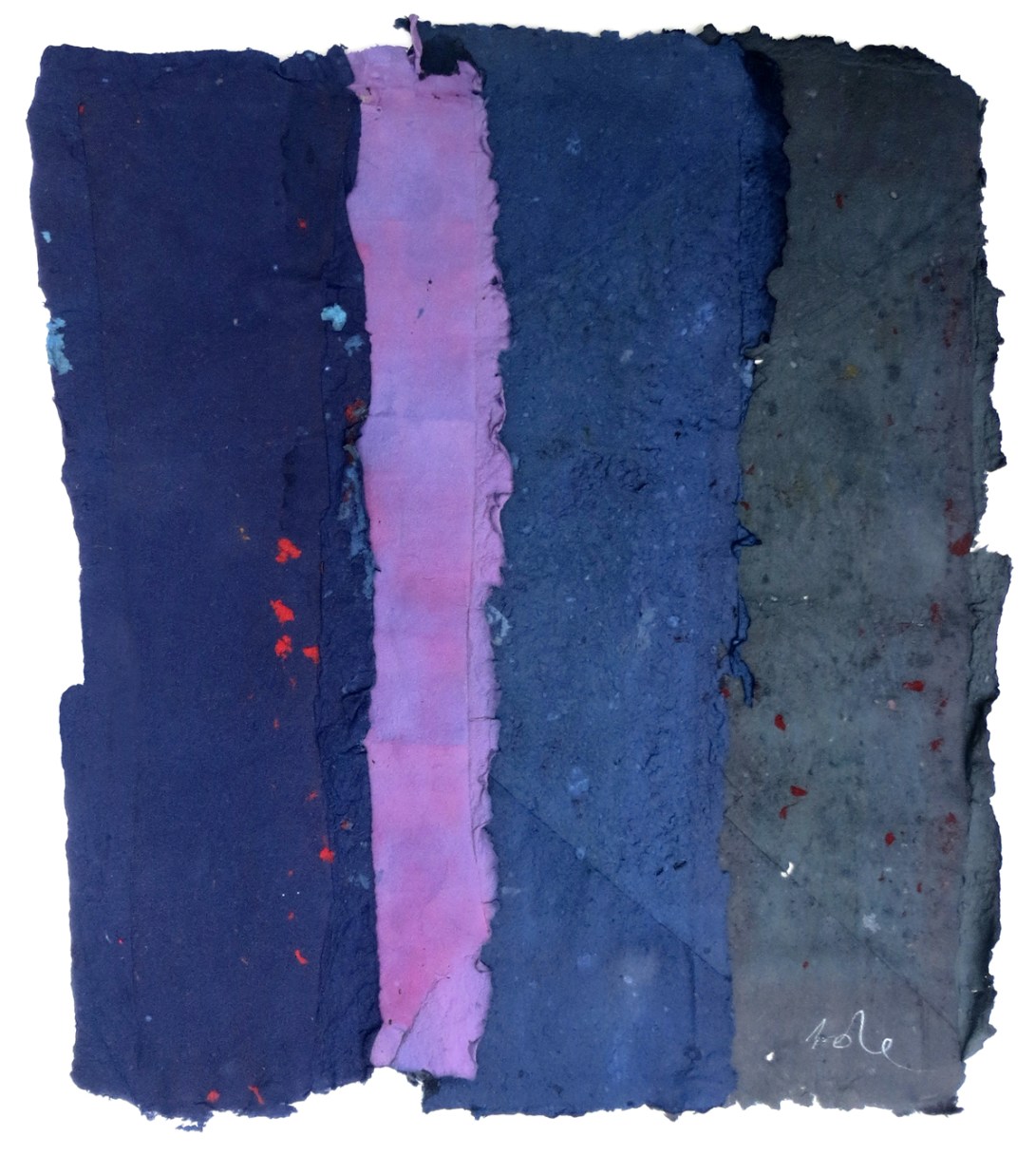
Fonte (Fount)
Cotton fibre pulps, direct dyes
52cm x 47cm
2017
Guide Price: £760
Framed

Irma Irsara’s work is heavily influenced by the natural environment in which she grew up – the foothills of Monte Croce in the Italian Dolomites. She has a special interest in ecology, conservation and climate change. ‘Fonte’ reflects an early childhood moment in a place revisited but now changed due to the effects of stream erosion. The title refers not only to rising water through cracks in the bedrock but also the idea of innocent thought set against the backdrop of succeeding stages of life.

Irsara’s practice encompasses a broad range of media and techniques with the ‘pulp work’ representing a large part of her recent output. The wet-on-wet process involves building up strata of dyed pulp which can be further modified through embedding, sculpting, ripping, embossing etc. She exhibits both in the UK and abroad.

Analytical aspects of conservation

It was a privileged to meet Christine Sitwell, the National Trust paintings expert at her talk, Analytical aspects of conservation in painting, organised by The Quekett Club in the Natural History Museum yesterday. It was fascinating to hear her speak about the process of attribution in relation to the Rembrandt self-portrait at the National Trust’s Buckland Abbey in Devon.

Christine talked about how technology is used to identify different periods through examination of different layers (ground), pigment and varnish. Minute specs of paint – usually taken from a tear or from the side – are examined under the microscope. She talked about the value of real pigments (various periods) and the use of spectronomy to pinpoint elements such as pigments, cobalt, potassium, nickel, smelt.

I very much hope that they can also authenticate the Titan as the one missing from the series.

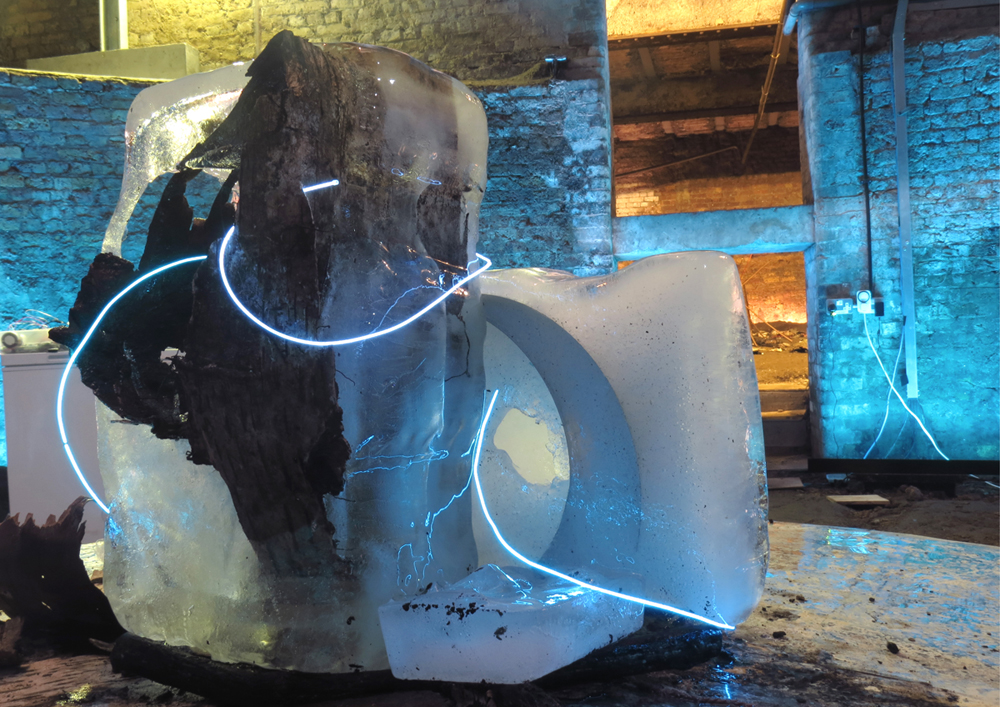
Zero Celsius DAY 13 – 02

ZERO CELSIUS

Victorian Ice Wells, London Canal Museum, King’s Cross  –  Non-permanent, ever-changing, time-based ice installation

Materials:
Ice (created from canal water on site each day using three top loading freezers from), 1.3mm El Wire, different lengths powered by mains and battery packs (for embedded lights), Melanex shapes, Silver birch bark sourced from fallen trees source restored to original location at the end of the project. Charcoal made from pruned vine branches.

Dimensions variable.

Zero Celsius was an opportunity to witness, explore and be part of an unexpected subterranean landscape in the heart of King’s Cross. Through investigation and elaboration of different elements embedded in blocks of ice, artist Irma Irsara developed an experimental work with ever-changing outcomes. The installation process was determined by the interaction between the artist, the unique host location and the melting shapes of ice, resulting in a unique participatory experience.

www.zer0celsius.wordpress.com