LanserhAUS

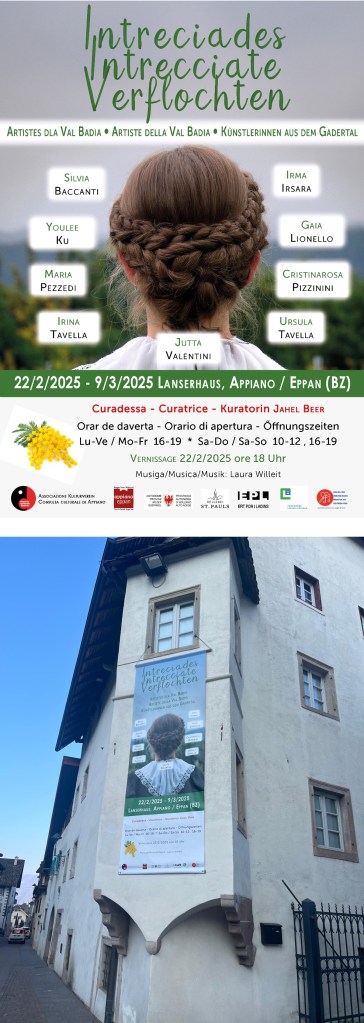
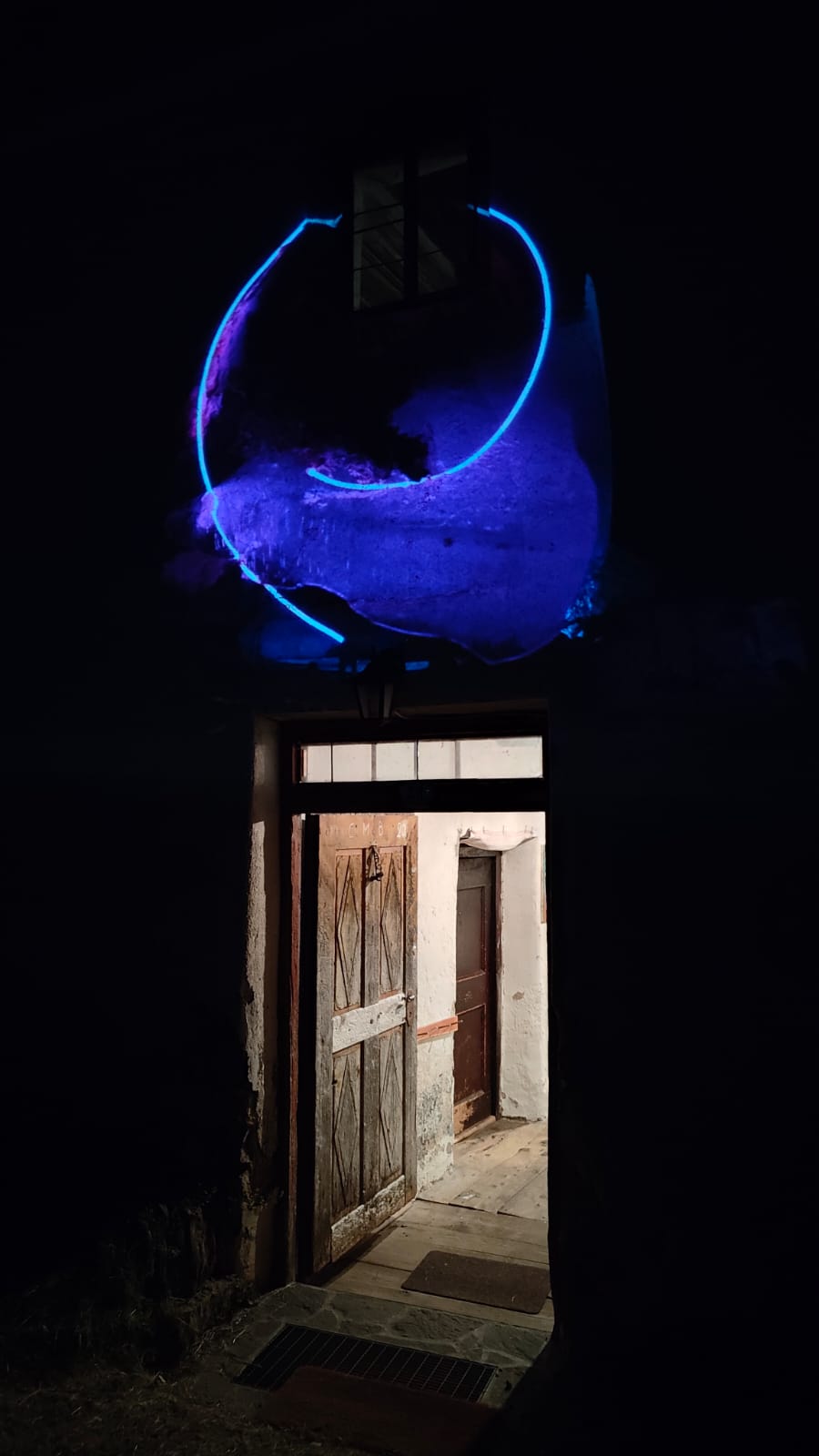
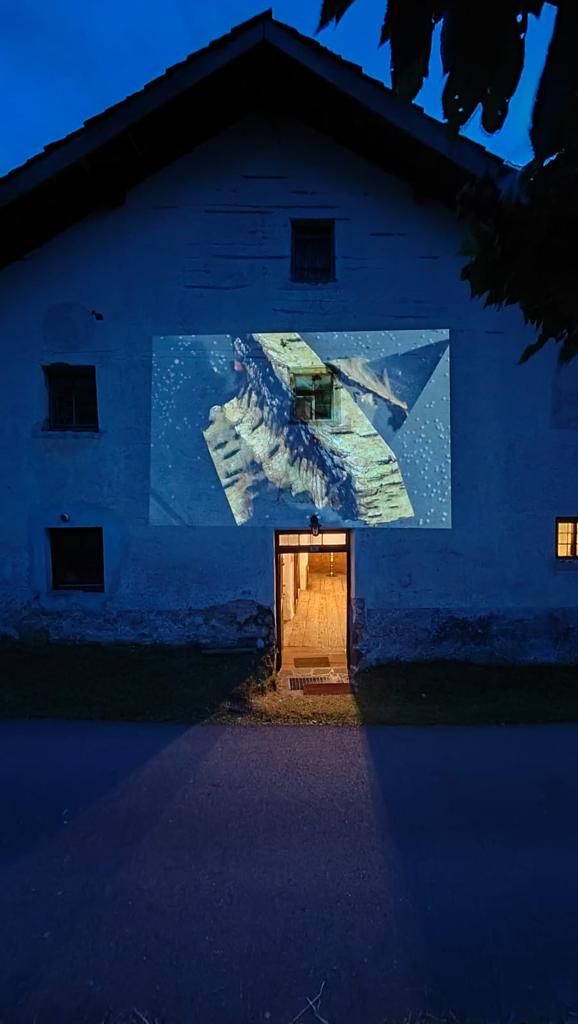
INTRECIADES at Lanserhaus in Eppan (South Tyrol), Saturday 2 March to Sunday 9 March – work by nine artists from Val Badia.

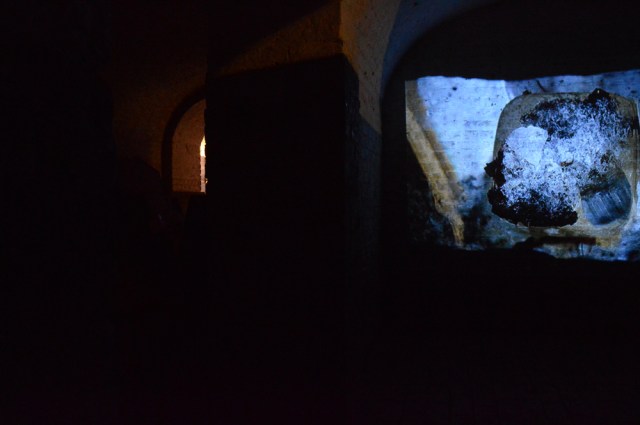
Video shows my timelapse work CORAL (music Jonathan Lambert), as well as light works using recycled plastics by Cristinarosa Pizzinini and drawings by @ursula Tavella.

Consulta Di Appiano

EPL – Ert por i Ladins ODV

Intreciades

Intreciades
Mostra dles artistes dla Val Badia tla Lanserhaus a Eppan. Daurida dla mostra en sabeda ai 22 de forá 2025 dales 18:00, la mostra sará da odëi cina ai 9 de merz 2025

Cun la curaziun de Jahel Beer mët fora sües operes les nü artistes de liam cun la Val Badia y l’EPL-Ert por i Ladins
Silvia Baccanti, Youlee Ku, Maria Pezzedi, Irina Tavella, Irma Irsara, Gaia Lionello, Cristinarosa Pizzinini, Ursula Tavella y Jutta Valentini.
I orars de daurida dlamostra é: dal lönesc al vëndres dales 16:00 ales 19:00, y sabeda y domënia dales 10:00 ales 12:00 y dales 16:00 ales 19:00.
La vernissaja é söl program ai 22 de forá dales 18:00 cun salüt y introduziun, y musiga de Laura Willeit.
Da sabato 22 febbraio a domenica 9 marzo presso la Lanserhaus di San Michele Appiano si potranno ammirare le opere di 9 artiste della Val Badia nella mostra intitolata “Intreciades”.
VERNISSAGE sabato 22/2 h. 18.00 Lanserhaus  Appiano (BZ)

Intreciades is an Exhibition of artists from Val Badia at the Lanserhaus in Eppan. l’EPL-Ert por i Ladins
The exhibition runs from Saturday 22nd March to Sunday 9th March
Curated by Jahel Beer the exhibition features works by artists
Youlee Ku, Maria Pezzedi, Irina Tavella, Irma Irsara, Gaia Lionello, Cristinarosa Pizzinini, Ursula Tavella and Jutta Valentini.
Opening hours:
Monday to Friday 4pm to 7pm,
Saturday and Sunday from 10am to 12pm and 4pm to 7pm.
VERNISSAGE Saturday 22/2 at 18.00 Lanserhaus  Appiano (BZ)
Music by Laura Willeit.
Organizza la Consulta Culturale di Appiano
Curatrice della mostra Jahel Beer
EPL – Ert por i Ladins ODV


CORAL

Microscopic time-lapse video
Length: 04.41 min
Irma Irsara 2022
Assistente al montaggio: John O’Leary
Sonora ambientale: Jonathan Lambert

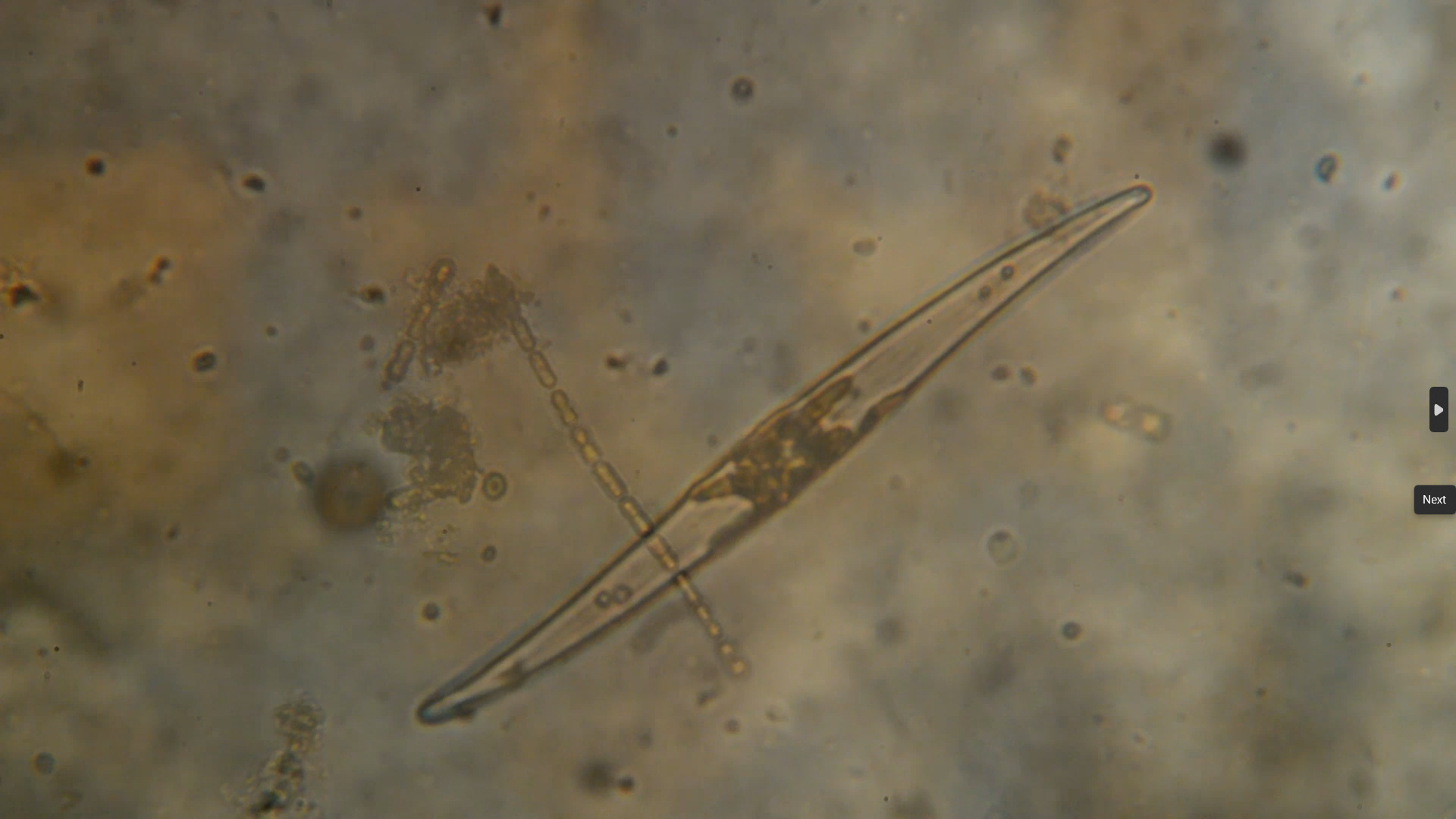
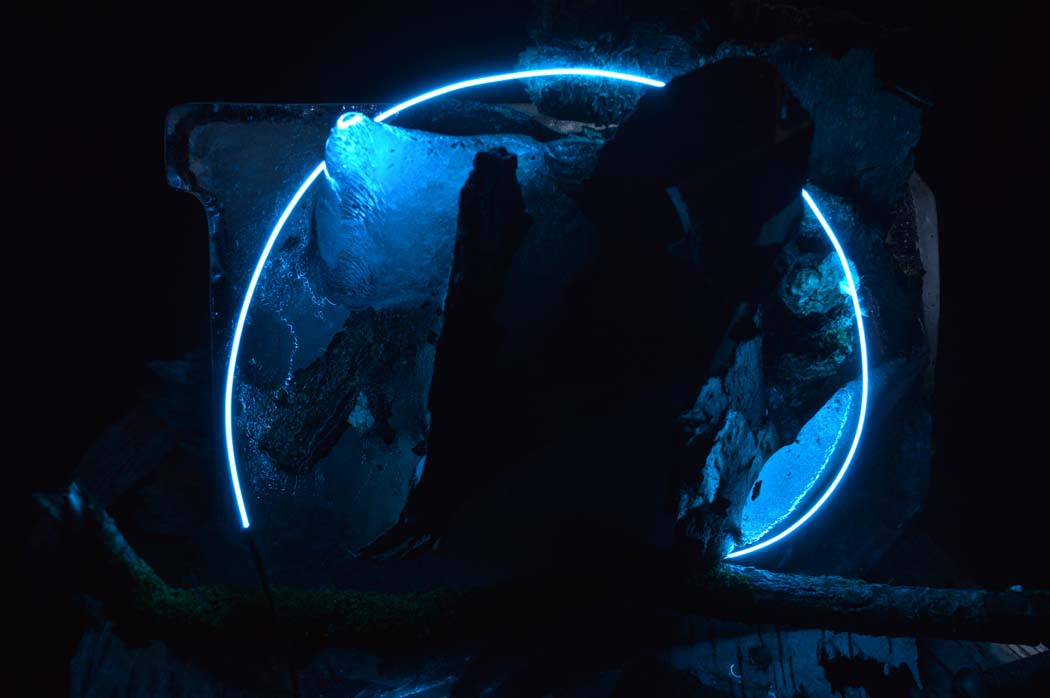
Coral è un’esplorazione delle particelle di plastica invisibili presenti nei nostri ecosistemi, con particolare riferimento alle materie plastiche impiegate nell’industria alimentare. Per questo progetto ho utilizzato esemplari estratti dal Tamigi, dalla grotta della neve di Armentara presso Monte Croce, i fiocchi di neve catturati prima di cadere al suolo, ragnatele e nidi di uccelli costruiti in parte con fibre di plastica. Ho fotografato diverse sequenze timelapse al microscopio che ho composto in Sony Vegas Pro. Il video è parte di una serie di opere che esplorano i cambiamenti ambientali provocati dall’attività umana.

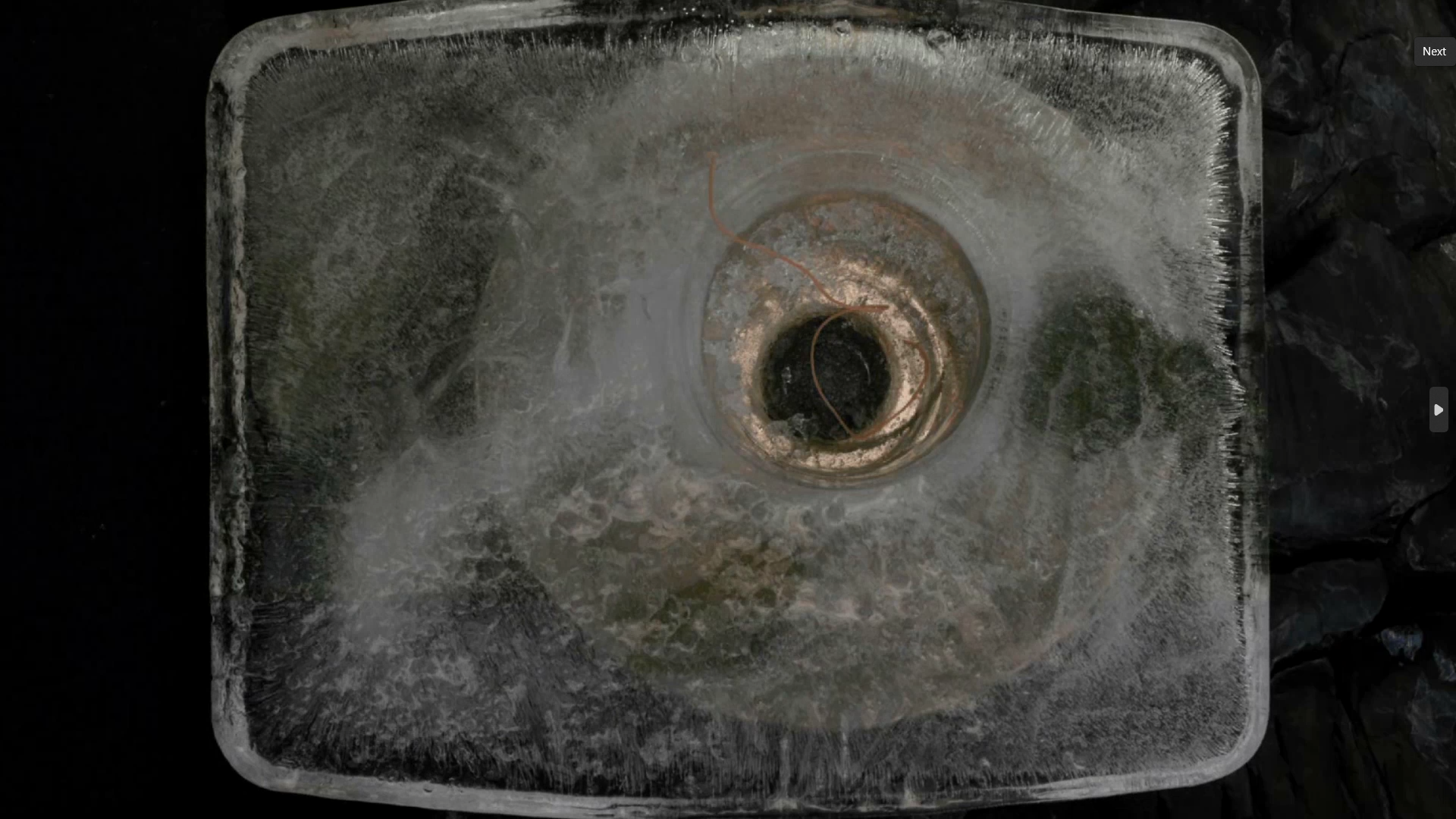
A volte il ghiaccio che si scioglie anima il contenuto. Altre volte, sono presenti microrganismi, incluso gammarus, che, come dimostrato dalla ricerca, ha tracce di microplastiche nel suo organismo. Un’altra sequenza rivela la decomposizione delle salviettine umidificate con la restante fibra di plastica, che sconvolge diversi ambienti nel tempo.

Come artista multidisciplinare non ho le limitazioni di uno scienziato, che mi permette la libertà di esplorare il mio soggetto in modo creativo e sperimentale.

Credo che l’arte possa essere un punto di partenza per un dialogo e anche un ponte che si connette con la scienza.


CORAL

Microscopic time-lapse video
Length: 04.41 min
Irma Irsara 2022
Assistant editor: John O’Leary
Ambient sound: Jonathan Lambert

Coral is an exploration of the invisible plastic particles present in our ecosystems, with particular reference to plastics used in the food industry. For this project, I used specimens extracted from the Thames, from the Armentara snow cave near Monte Croce, snowflakes captured before falling to the ground, cobwebs, and birds’ nests built in part with plastic fibres. I photographed several time-lapse sequences under the microscope that I then edited in Sony Vegas Pro. The video is part of a series of works that explore environmental changes caused by human activity.

Sometimes the melting ice animates the contents. Other times, microorganisms are present, including gammarus, which research has shown to have traces of microplastics in its system. Another sequence reveals the decomposition of wet wipes with the resultant plastic fiber disrupting different ecosystems over time.

ÄRES

Circolo artistico e cultural di Ortisei
Piazza S. Antonio, 102, 39046 Ortisei BZ, Italy
14 June 24 – 7 July 2024

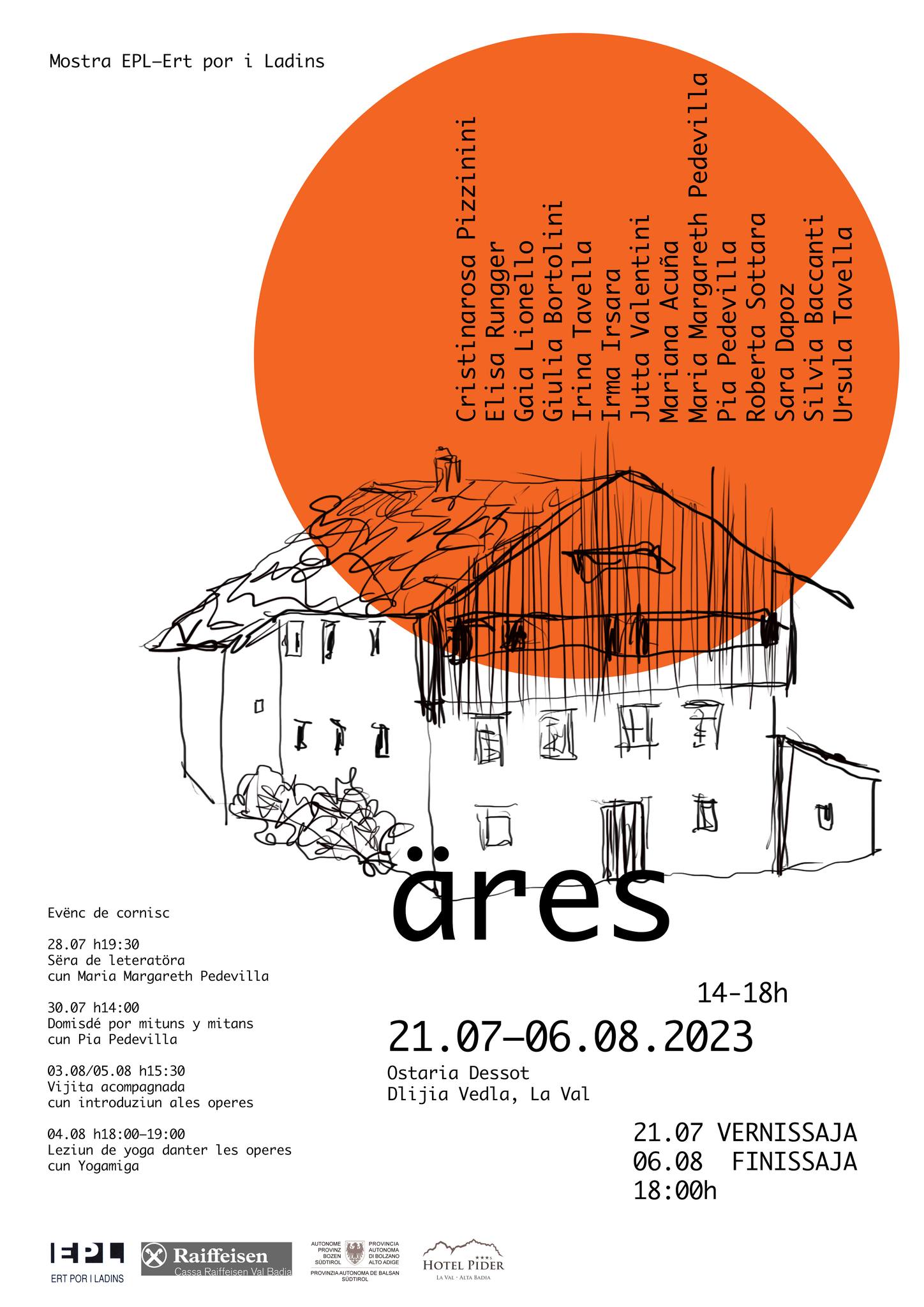
I’ll be participating again in ÄRES (EPL – Art por I Ladins), an exhibition of the work of fifteen women associated with the ladino-speaking area of Val Badia (BZ) in Italy.

I’ll be showing again my video work Metamorphosis, as well my most recent climate change video piece SILT which was shown last at the Old Operating Theatre Museum and Herb Garret.

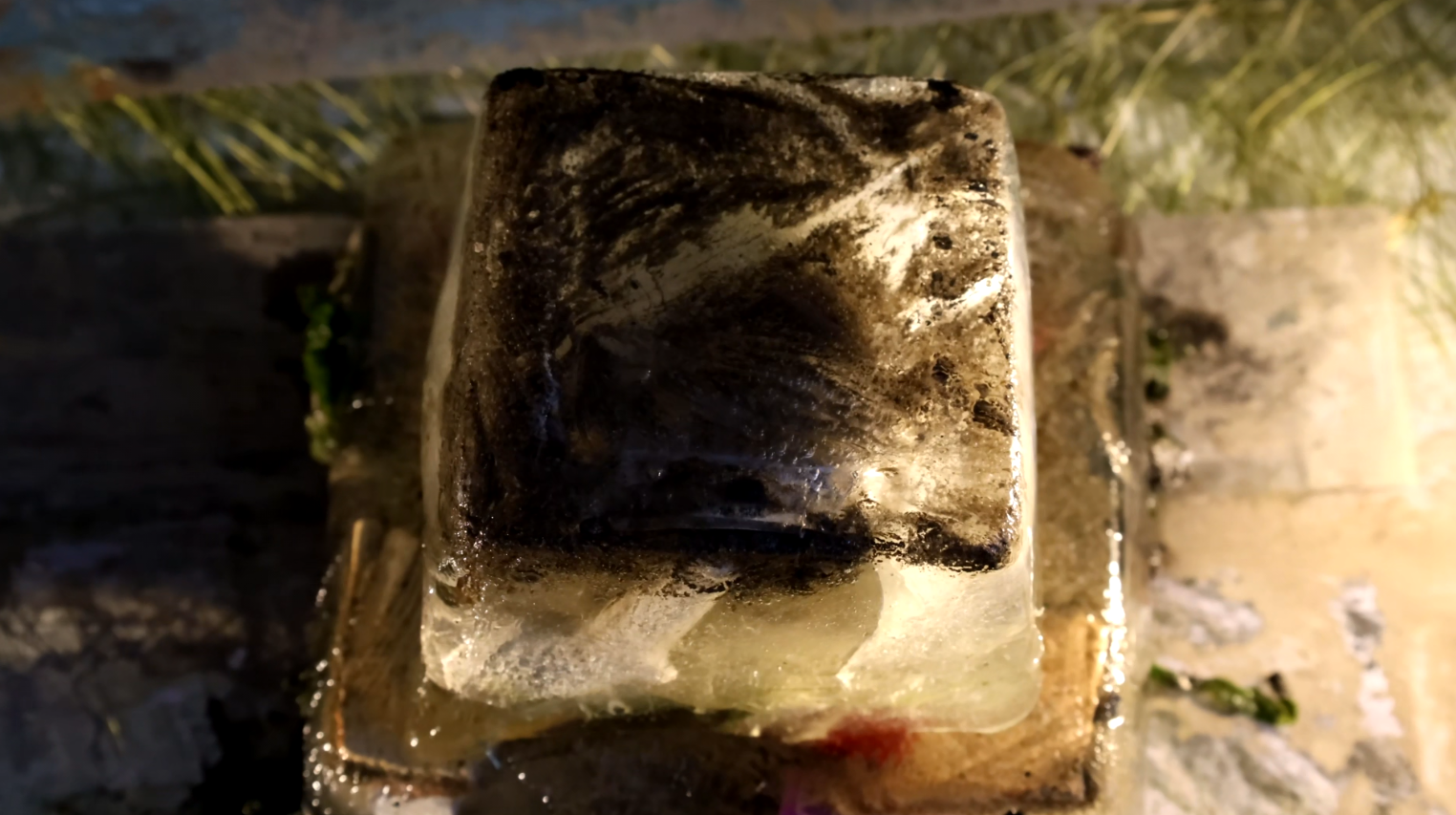
SILT uses a range of materials in its creation including silt, sand and algae, as well as man-made and organic objects retrieved from the foreshore of the Thames at low tide. Tidal cycles are recreated using small-scale models, shot at 25 second intervals as liquid is slowly drained away. In other sequences, ice has been used to animate the forms.

Coming from the Dolomite region of Northern Italy, I’m particularly interested in natural habitats in urban settings and how we relate to these, in particular the ever-changing, tidal aspect of the Thames. The film also deals with unexpected drought and flooding as a result of changing seasonal cycles.

The exhibition is sponsored by EPL – Ert por i Ladins ODV and Raiffeisen.

The soundtrack for the video was created by musician and composer Jonathan Lambert @jonathanlambert18.

Tidal Traces

I’m very proud to be one of the featured artists for Totally Thames 2023 (Thames Festival)
This year, I’ll be exhibiting at The Old Operating Theatre Museum and Herb Garret throughout September. Tidal Traces draws attention to issues relating to the River Thames through a series of free-hanging installations, time-lapse video and family workshop.
As well as a chance to see my current work, this is an opportunity to see an atmospheric museum that offers a unique insight into the history of medicine and surgery.

THE OLD OPERATING THEATRE MUSEUM
AND HERB GARRET
9a St Thomas St, London, SE1 9RY


In addition to the exhibition, I’ll be holding an evening screening of three video works with Q & A (19th September 6.00 – 8.15pm) where you will also have the opportunity to see the installation and museum for free. Tickets are limited for this so I would urge you to book only if you are definitely attending.

Entry to the exhibition at other times does not require booking but is subject to the museum’s normal admission charge.


OPENING TIMES AND DATES

Fri 1st – Sat 30th Sep 2023

10:30am – 5pm

Museum opening times:
Thursdays, Fridays, Saturdays and Sundays, 10.30am – 5.00pm (last admission is 4.15pm)

Drop-in family workshop:
Sunday 3 September 2023, 11am – 4.30pm
available with paid entry to the museum

Accessibility Guide

TICKETS

Entry price to the museum for exhibition and workshop

Adult: £7.50
Concessions: £6.00
Child 6-16 years: £4.50
Children under 6 years: Free
Carers (with a full paying adult, concession or child ticket): Free
Family (2 adults, 2 children): £18.00, additional child, £1 each

Tidal Traces is supported by
Totally Thames, Team London Bridge and The Old Operating Theater and Herb Garret

TIDAL TRACES

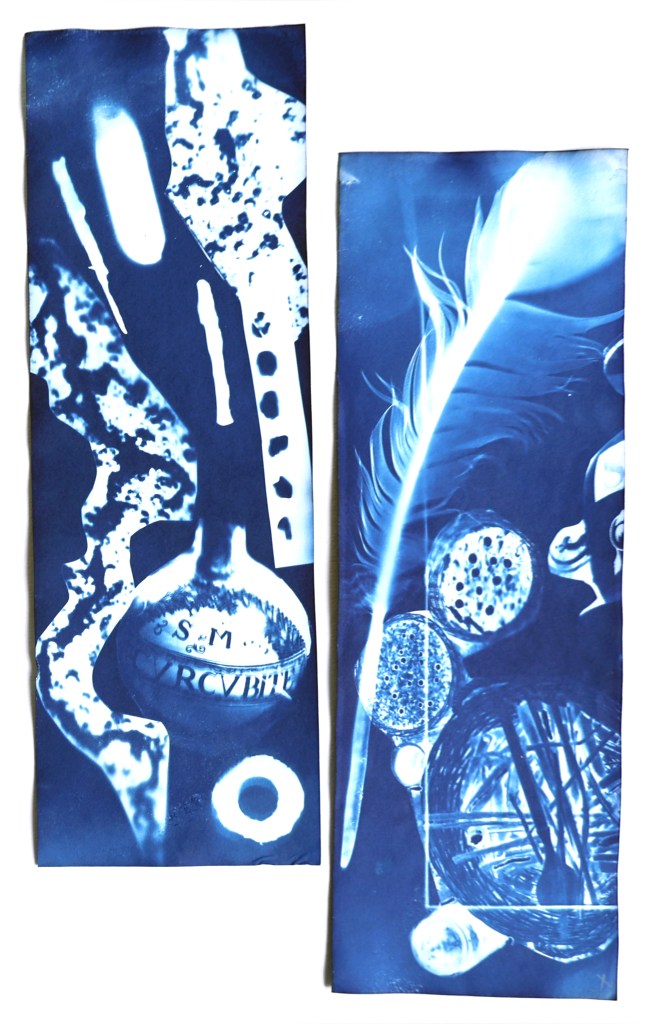
The site-specific installation, continues my exploration of environmental issues, looking at material that finds its way into the Thames through natural phenomena and human activity, and the impact on the health of the river’s eco-system and the surrounding population. Recovering debris from the foreshore at various points along the river – plastic netting, nails, sand, silt, aged wood, charcoal, algae, bones – I create work using video, cyanography, chromatography and micrography to represent both the visible and the invisible, in particular micro fibre plastic and pharmaceutical contaminants.

Multiple elements make up the final site-specific installation which, in part, looks at the pharmaceutical contamination in the river alongside the healing qualities of the apothecary herbs featured in the Herb Garret at the museum.

TIME-LAPSE VIDEO

Metamorphosis (6 min 39 sec) 2019
River Net (9 min 10 sec) 2022
Silt (6 min 10 sec) 2023

The video works, each comprised of a series of time-lapse sequences, are a reflection on our impact on the Thames, including chemical and pharmaceutical discharge into the river leading to, among other things, antibiotic-resistant bacteria.

The work is intended to encourage debate on the effects of our actions on the natural balance and how we can re-establish and maintain healthy ecosystems. I’ve used a range of materials in the creation of the videos including silt, sand and algae, as well as man-made and organic objects retrieved from the foreshore at low tide. Tidal cycles are recreated using small-scale models, shot at 25 second intervals as liquid is slowly drained away. In other sequences, ice has been used to animate the forms. The soundtrack for all videos was created by Jonathan Lambert.

Äres – Ostaria Dessot

Äres, an exhibition of the work of fourteen women associated with the ladino-speaking area of Val Badia (BZ) in Italy, continues until 6 Aug.

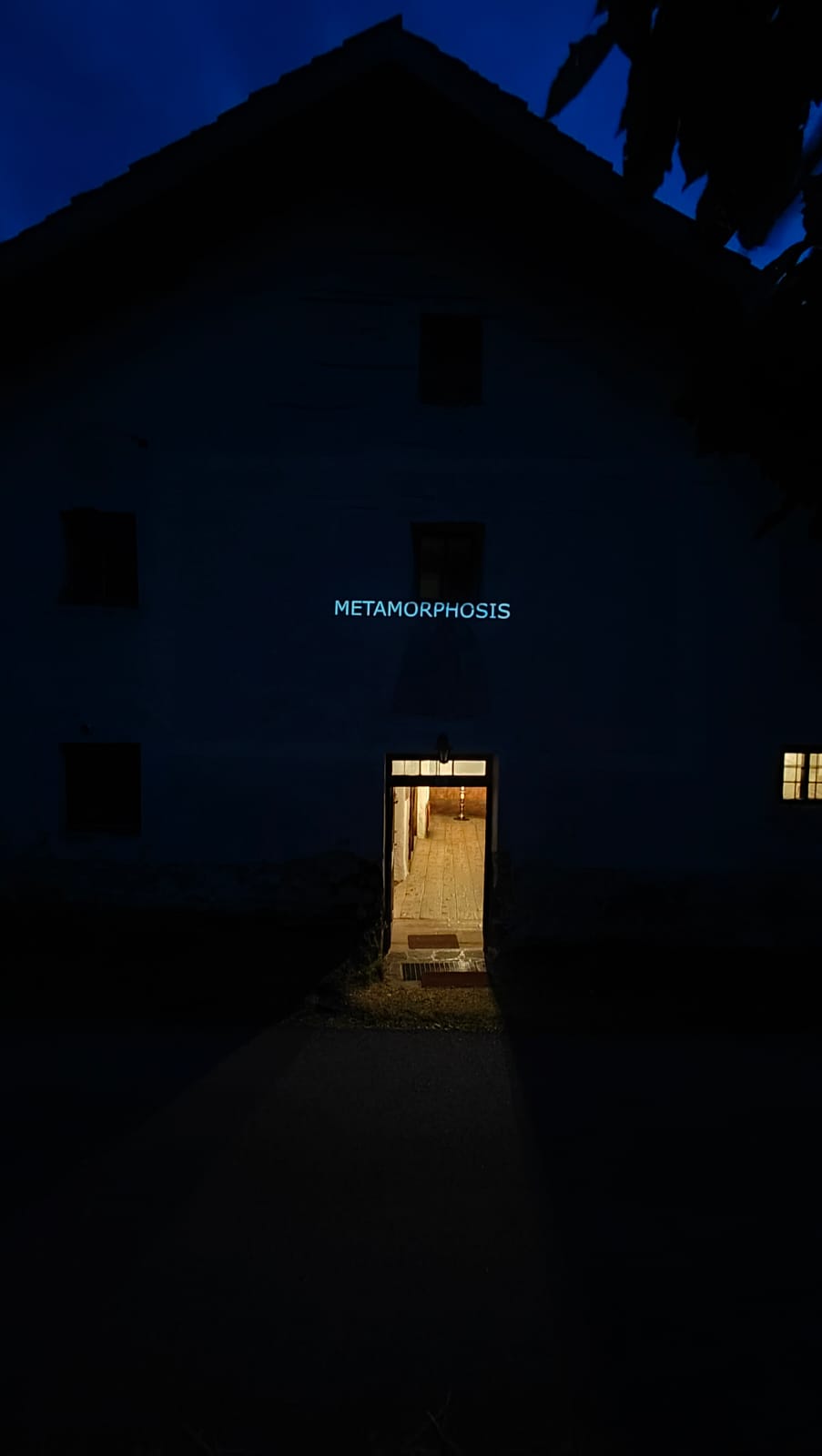
My time-lapse work Metamorphosis which is shown small-scale throughout the exhibition, is also occasionally projected on the exterior of the building.

The soundtrack for the video was created by musician and composer Jonathan Lambert.
Exhibition curated by Gaia Lionello who is also one of the participating artists.

14 artistes dla Val Badia é arjignades y s’inviëia
21 July – 6 August 2023
Ostaria Dessot, Dlijia Vedla, La Val, ITALY

IN A FIELD BY A BRIDGE

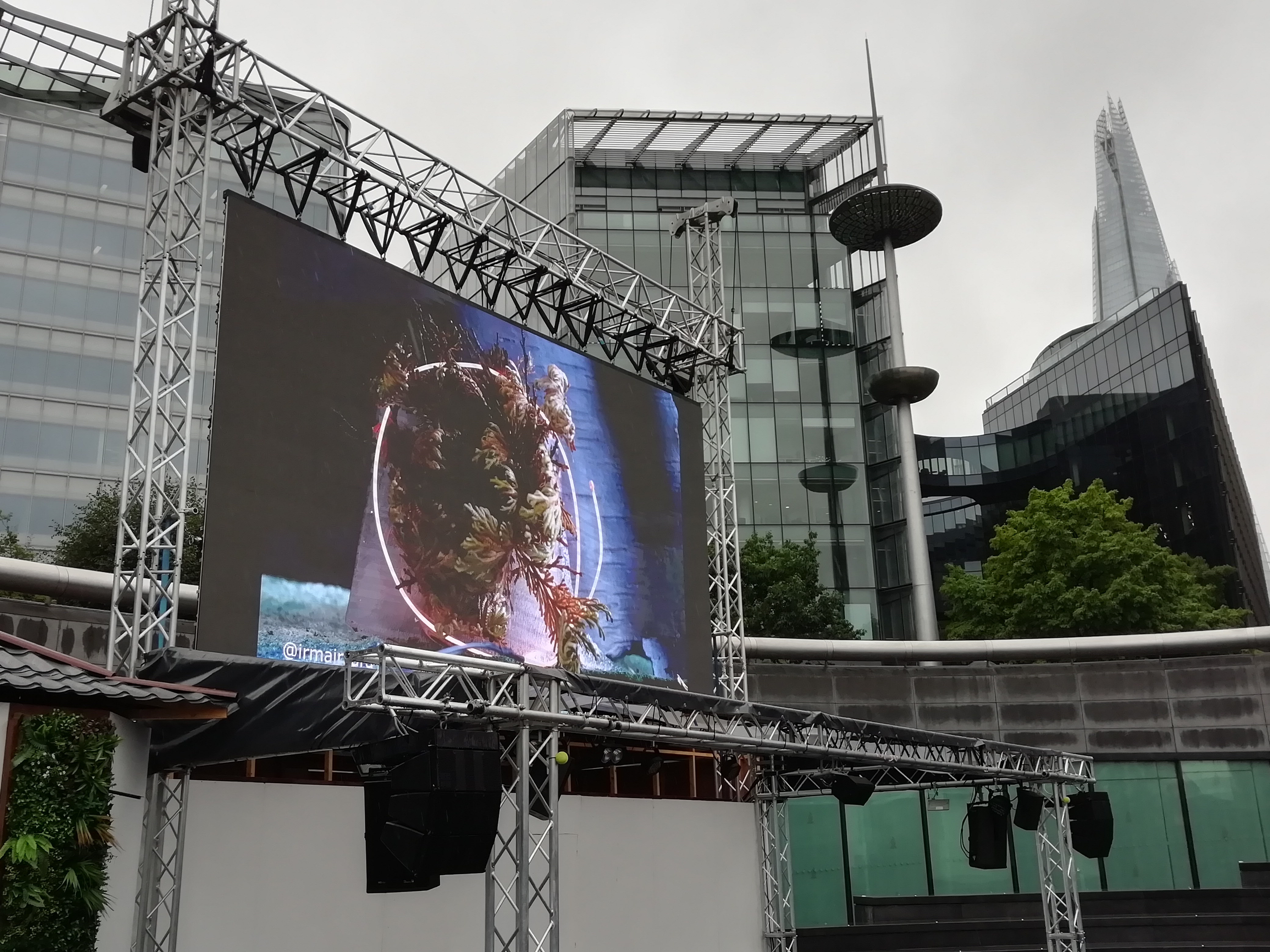
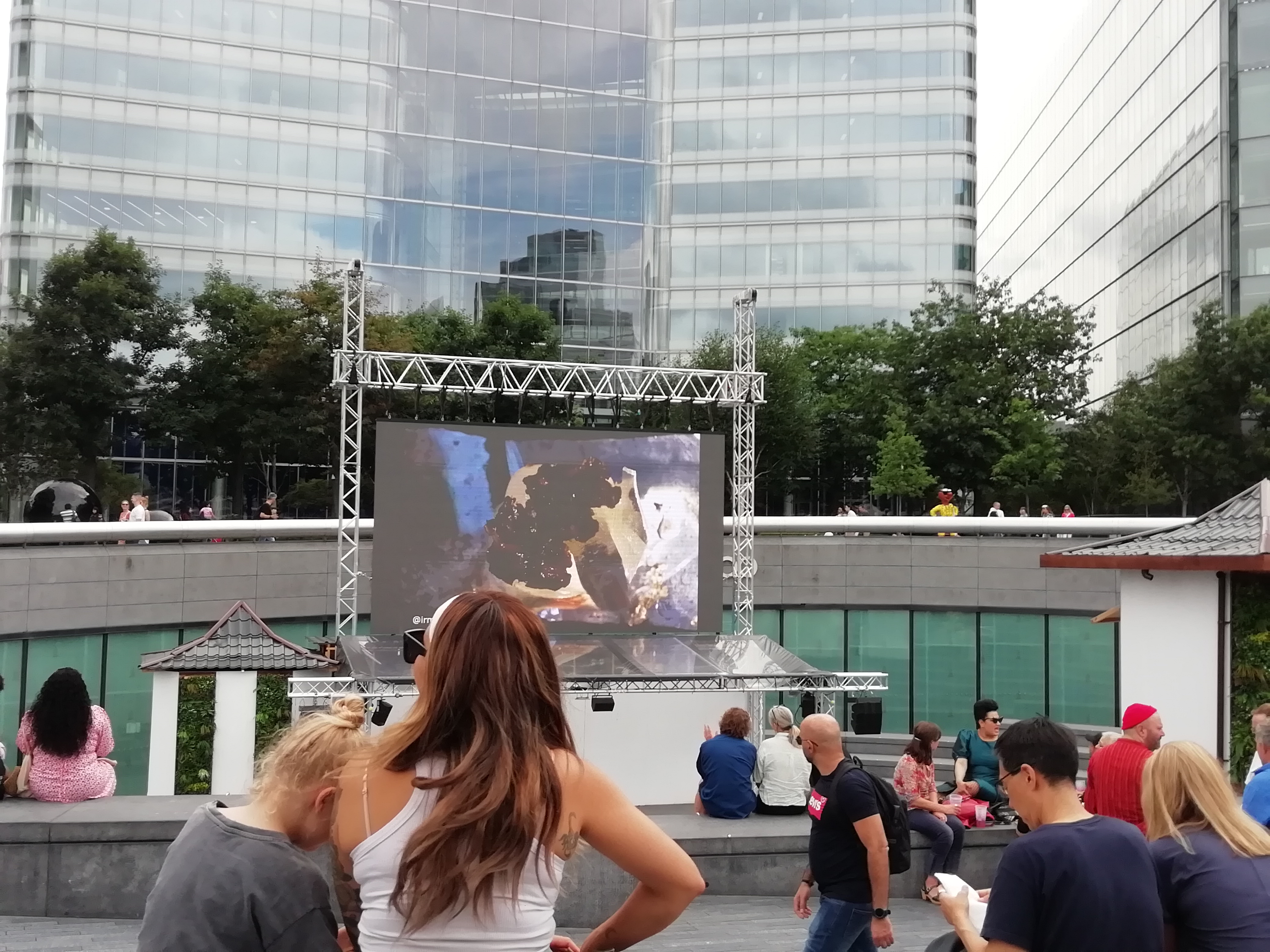
My first three films relating to the environment – Monster Soup, Desert Rose and Metamorphosis – will be among a number of short films shown on rotation throughout the day at The Scoop sunken amphitheatre as part of In a field by a Bridge, organised by Team London Bridge. The soundscapes for all of the videos were created by Jonathan Lambert.

The festival celebrates everything that Potters Fields Park and the London Bridge neighbourhood have to offer as a leading environmentally- focused business district, highlighting the transition to a carbon neutral economy,  low impact  living and healthy lifestyles. The impact of this festival on the local community, is aimed to create positive social and economic longevity far beyond this launch weekend.

  • Saturday, 22 July – Sunday 23 July 2023
  • 12:00  17:00

THE SCOOP, 2A More London Riverside, London SE1 2DB

https://www.inafieldbyabridge.com/whats-on/film-screening

äres

I’m very pleased to be participating in äres, a exhibition of the work of fourteen women associated with the ladino-speaking area of Val Badia (BZ) in Italy.

It’s very significant for me to return to my roots to show my climate-change film Metamorphosis in this special venue, which is less than a kilometer from my family home in the Dolomites. The region has seen significant events in recent years due to climate change, including the collapse of the Marmalada glacier in 2022 or Storm Vaia in 2018 which caused massive damage to the mountain ecosystem, knocking down about eight million cubic metres of timber,

The exhibition is sponsored by EPL – Ert por i Ladins ODV as well as Raiffeisen, Provinia Autonoma di Bolzano and Hotel Pider.

The soundtrack for the video was created by musician and composer Jonathan Lambert.

14 artistes dla Val Badia é arjignades y s’inviëia

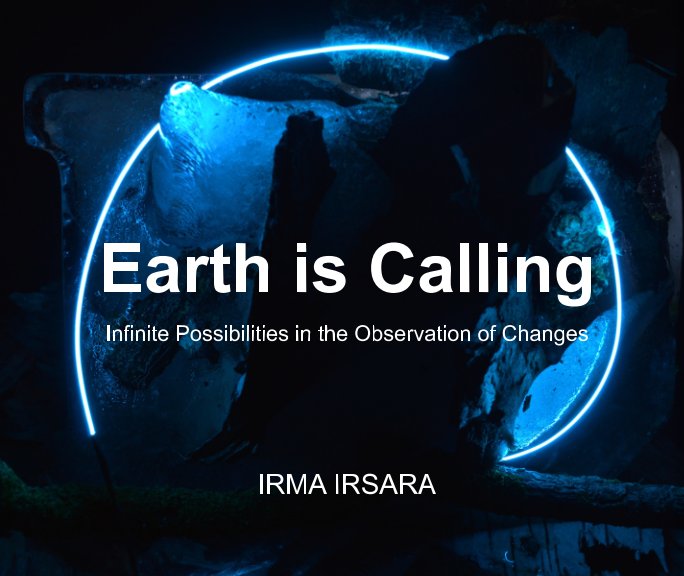
Earth is Calling

About the Book

My focus has shifted to invisible nature, micro pollution and micro fibre plastic.
Current project, Earth is Calling, explores the issues through a series of fibre art pulp works, contrasting natural, organic material with man-made plastic fibre. In other works micro-photography, film and time-lapse are used to produce my outcomes.
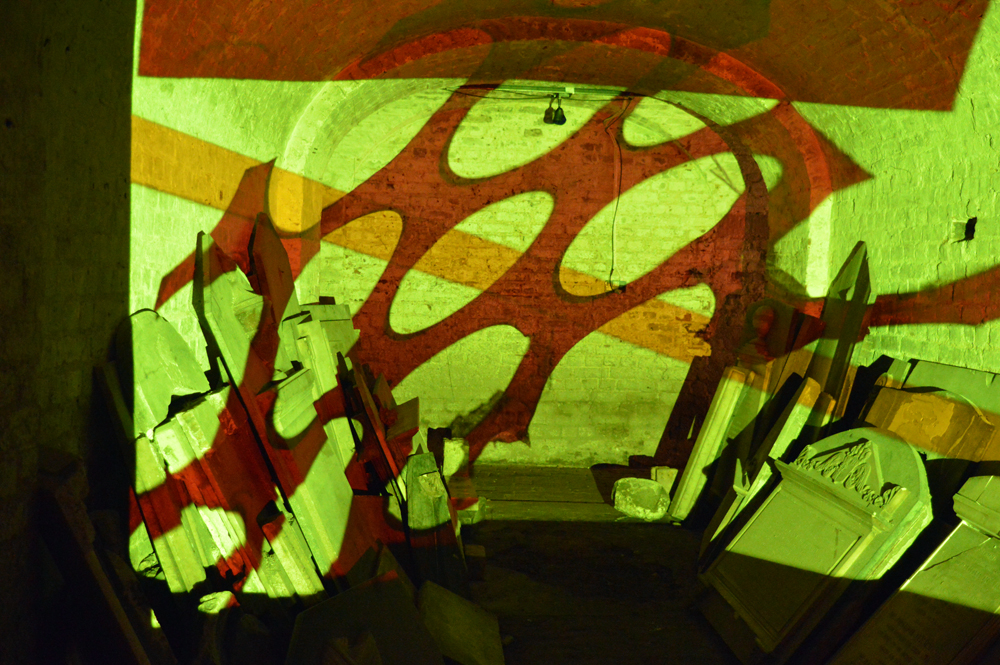
The project culminated in a large-scale exhibition at the Crypt Gallery, London (Oct/Nov 2019) for which the book below was produced. The intention now is to tour the exhibition while developing further work. Two venues have been agreed on so far.

Voicemag Interview

Interview with Irma Irsara,
creator of “Earth is Calling” and visual artist
voicemag.co.uk 31 OCTOBER 2019

Could you first introduce yourself to the reader? 

I am an Italian artist from the Dolomite region of northern Italy. I’ve lived and worked in London for many years but despite having settled in an urban environment, I’m firmly connected to my roots and heavily influenced by the natural surroundings of where I grew up.

Describe your work “Earth is Calling” in 3 words. 

Environmental – Abstract – Symbiosis

What is the premise of “Earth is Calling” and what inspired this work? 

Earth is Calling is an emotional response to environmental changes, shifting boundaries and transformation using fibre art paper pulp works, time-lapse and micro time-lapse video works. It also focuses on plastic pollution and microfibre plastic.

I’ve always had an interest in nature and the environment. I studied Country Care and Conservation at Capel Manor Horticultural College and worked as a gardener for a number of years.

I’ve seen changes over the years in the Dolomites where I grew up – landslides, erosion and the retreating of permanent ice. In 2018, 50,000 hectares of forests (14 million pine trees and red spruces) in Veneto, Trentino and Friuli Venezia were destroyed in one night which affected ecosystems, biodiversity and local climate. I feel this is one example of how we are mismanaging our ecosystems, in this case, omitting to incorporate spaces to counter the force of extreme winds.

In this project, the time-lapse works arose out of the ephemeral site-specific ice installation that I created in the Canal Museum’s Victorian Ice Wells (King’s Cross) in 2013. This led to time-lapse works created under more controlled conditions.

An encounter with Jamie Craggs of Project Coral at the Horniman Museum led me in the direction of Quekett Microscopical Club at the Natural History Museum which I subsequently joined. This is what led me to look at micro fibre plastics. Some of the first images I took were of snowflakes spider webs, both with microfibres at the core.

You have chosen to use a sensory experience to engage audiences with Climate Change. Please explain more about what inspired this, and the artistic processes behind it. 

I wanted to elicit an emotional response from my audience, heightened through the use of sound but also through the choice of a unique and atmospheric space. The pulp process I use for the fibre art pieces results in work that looks tactile and textural and I normally use organic materials and pure cotton fibres to create these.

On this occasion, I wanted to compare works made with natural materials with others created using man-made fibre plastics as an exploration of different interpretations of beauty.

An example from this series are works made with fibres (lint) collected at the end of the day from the drying machines at my local laundrette. I’m interested in the shedability of fibres from clothing and how in this case large amounts can pass through filtering systems making their way into natural habitats and subsequently into the food chain.

You’ve used items from various places, including along the Thames foreshore. What impact do you hope this will have? 

In an earlier work for the Foragers of the Foreshore exhibition at the Bargehouse (Totally Thames), which will also be shown at the Crypt Gallery, I created a time-lapse and micro time-lapse piece using material gathered from the edge of the river embedded in forms of melting ice.

The piece is intended as a reflection on our impact on the natural surroundings. A piece of fossilised wood which I froze in ice for example, on melting, released fibres from wet wipe tissues that had been embedded in the cracks.

The works don’t presume to lecture and, even though I have engaged with the scientific community in the process, the outcomes aren’t presented as scientific. The aim is more to share an emotional response to a situation and create pause for thought as well as creating a pathway to the science. At the Bargehouse exhibition, I found that people were very keen to learn what was behind the work and to engage in debate about the issues. This is my intention for this exhibition also.
Johnathon Lambert created a soundtrack for the showcase. Explain more about the contrast of visual art and music within the exhibition. 

Jonathan was perfect to work with and what he produced is stunning. I was looking for someone who was willing to have a dialogue and who would be willing to make changes as the piece developed. As each finished video was passed over, I gave him my own thoughts on my content and suggested possible starting points. We engaged in a series of conversations as the piece became more and more refined.

The sound, rather than producing something to compliment the visuals, was intended as an additional layer. At times, visuals and sound pull in two different directions to create the desired tension.

How did your upbringing in the Italian Dolomites impact your work with nature? 

I grew up in the foothills of Monte Croce where my paternal grandfather managed significant areas of woodland in Fanes National Park. He knew the importance of looking closely at nature and recognising subtle changes in the environment and their significance as predictors. He was acutely aware of river water levels, rock erosion and landslides as part of the natural cycle and would use preventative measures such as tree planting and water diversion and drainage in order to protect his land. I would consider him to be a major influence in my life.

What action do you hope audiences will take after leaving the exhibition? 

My aim with this exhibition is to facilitate a moment of reflection which will also prompt debate. I will be at the venue for the duration in order to engage in as many conversations as possible with my audience.

My own opinion is that we need to reverse the tide of consumerism and excess, and to break old habits. The sub-title for the exhibition is ‘Infinite Possibilities in the Observation of Changes’ and I do believe there are many possible outcomes to the situation we find ourselves in. I believe in the importance of collective responsibility but also in positivity and hope – the exhibition isn’t intended to be negative or depressing.

My audience will have an opportunity to look at samples from everyday items containing fibre plastics and will be asked to consider how we might be misled and the importance of questioning and making choices.

Have any particular artists inspired or influenced your artistic work? 

I’m influenced by a great many artists particularly in the area of Environmental Art, Arte Povera and the Futurists The list includes Giacomo Balla, Fontana, Depero, Calzolari, Georgia O’Keeffe, Antoni Tapies, Chihuly, Paul Klee, Susan Hiller, Judy Chicago, Barbara Hepworth, Cezanne, Turner, Joseph Beuys, Morandi, Richard Long, Louise Bourgeois.

I had a chance to see the cave paintings of Altamira many years ago before it was closed to the public. That was an experience that had a huge impact on me.

Did you face any major challenges during the project? 

The project is self-funded due to the absence of any sponsorship or Arts Council funding – there were two failed attempts to secure ACE funding for the project. To strengthen those applications, I committed to field trips and outreach events with family groups and primary school classes. These activities definitely enhanced the project immensely but the field trips had to be eventually self-financed and for the outreach programme, the workshops had to be delivered free of charge.

Lack of budget also meant that I had to be extremely creative in how I went about acquiring equipment and materials, and in finding creatives – film-maker, editor, sound designer, lighting engineer – who were willing to be involved.

As always, because I embrace a wide range of media in my work, there’s was a steep learning curve for myself and my long-time assistant John O’Leary, especially with some of the more technical aspects of this project. Having said that, I wouldn’t describe any of the challenges as major.

Do you have any advice for young people interested in doing your kind of job? 

Look for original ways to fund your practice and try to find innovative ways and alternative locations to exhibit your work. Aim to create your own opportunities as opposed to relying on open submissions – the odds will be fairer for you.

Try to connect with other creatives and organisations to develop mutually beneficial projects and consider involving community-based and school groups if it’s relevant to your practice. Don’t restrict yourself to art circles but reach out to other groups in your area of interest. And don’t forget to attend talks and events where you can also engage and network.

How can people find out more? 

People can find out more through my website http://www.irmairsara.com, and my blog and social media platforms, all reachable through the site.

https://www.voicemag.uk/interview/6327/interview-with-irma-irsara-creator-of-earth-is-calling-and-visual-artist